
Multi-Care Health Services (AMAS)
Levers
Organization of work processes and care pathways within the Health System
Grant type
Model development

Beneficiary population
Children and adolescents aged 0 to 17


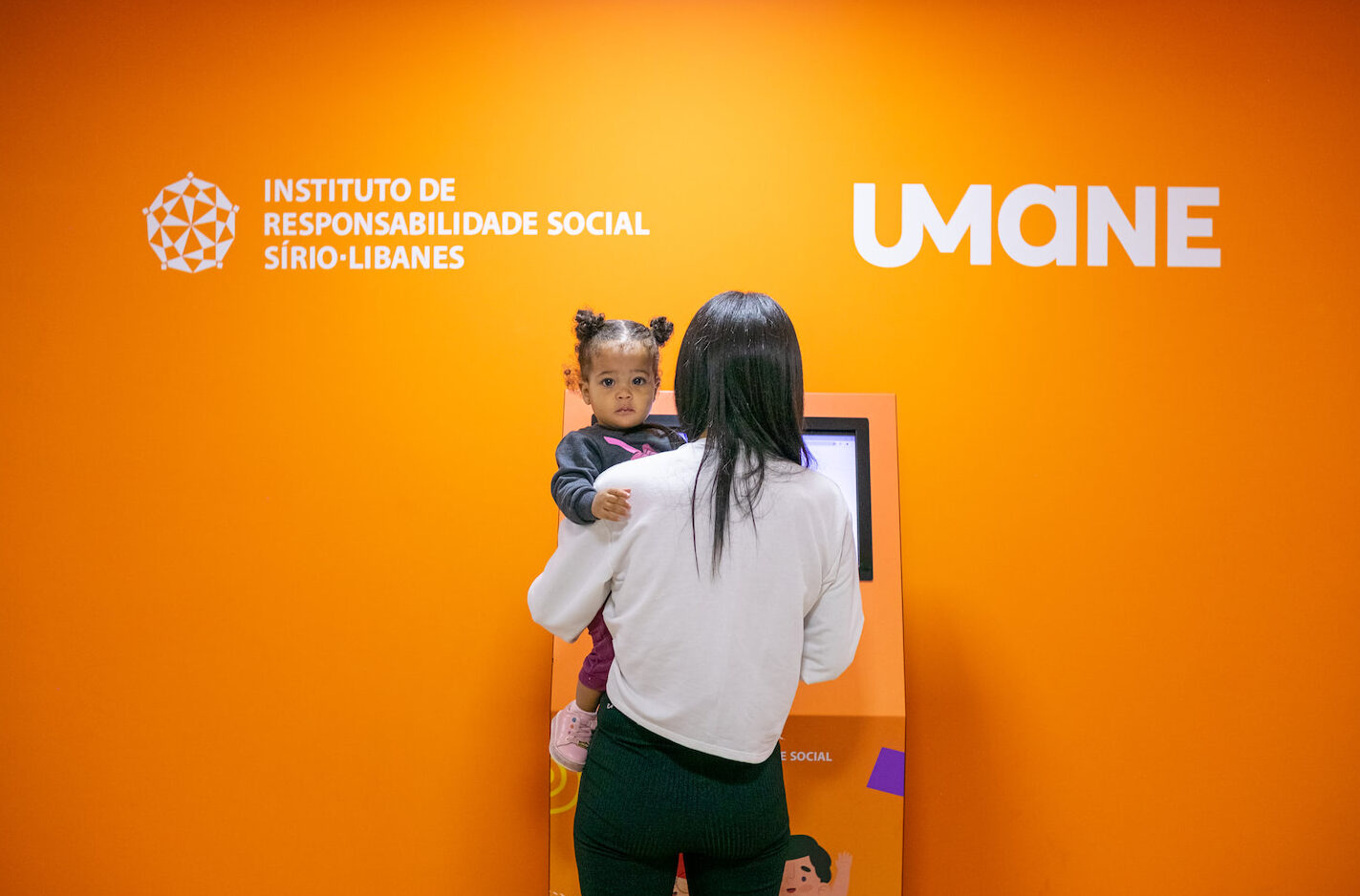
Managed by the Instituto de Responsabilidade Social Sírio-Libanês (IRSSL) in partnership with the Municipal Government of São Paulo and supported by Umane, the Program for Multi-care Health Services – AMAS Umane offers pediatric care focusing on early diagnosis, timely treatment, prevention, and comprehensive care. Created in 2000 by the Philanthropy Committee of the Hospital Samaritano, the outpatient clinic is the longest-running initiative supported by Umane and completed 25 years in 2025.
Located on Paulista Avenue in São Paulo, AMAS serves children and adolescents from zero to 17 years old referred by Basic Health Units (UBSs) in the Central-West region of the municipality. Care is provided across five medical specialties: cardiology, dermatology, endocrinology, neurology, and pulmonology. The unit also features a multi-care team composed of professionals in psychology, social work, nutrition, and physical education.
The AMAS care model coordinates clinical practice, territory, and daily life to build continuous paths for health care. One of its distinguishing features is the shared discharge, a strategy through which the child or adolescent returns to their original UBS to continue follow-up care in Primary Health Care (PHC). This process helps avoid interruptions in the care of chronic conditions, reduces new crises, and strengthens the link between the specialized outpatient clinic and the public health network.
In 2025, AMAS advanced initiatives to reduce absenteeism through active tracking of patients and adjustments to the healthcare professionals’ schedules. As a result, the monthly average of absences in follow-up appointments fell from 18% in 2024 to 15% in 2025. In the consolidated annual indicator, the clinic ended the year with 17% absenteeism, below the 19% recorded the previous year. The schedule occupancy rate also grew, rising from 94% in 2024 to 97% in 2025.
Another milestone of the period was the increased maturity in the development and management of protocols, such as those for severe acne and shared care, which standardize workflows and enhance integration between AMAS and the UBSs. The unit also launched a waste measurement initiative after participating for the first time in the Healthy Hospitals Seminar, aiming to plan sustainability actions within the service.
As recognition for the improvements in management, quality, and healthcare safety implemented in recent years, AMAS achieved ONA Level 1 accreditation in 2025, granted by the National Accreditation Organization. This certification recognizes healthcare institutions that possess practices, processes, and workflows focused on service quality and patient safety.
Improved quality of life for patients, reducing disease progression through proper management and lowering morbidity and mortality rates.
medical appointments conducted in 2025
multidisciplinary care visits conducted in 2024
follow-up appointment absenteeism rate (monthly average) in 2025, compared to 18% recorded in 2024
NPS points in satisfaction index (monthly average for 2025)

The year 2025 marked the 25th anniversary of AMAS, a service that is part of the history and healthcare of thousands of children and adolescents. For the Institute, it is especially meaningful to be present in this moment of celebration through our partnership with Umane since 2021. Throughout our work, we were able to strengthen management processes, support teams, and structure more integrated care models, with a direct impact on service organization and population access. This experience reinforces our commitment to sustainable solutions for the SUS and highlights the importance of partnerships that combine strategic vision, active listening, and a focus on consistent results.”