
Health Equity: National and Global Observatory
Lever
Use of data, telehealth, and new technologies
Grant type
Applied Public Health Research

Beneficiary population
More than 11 million children under five and more than 55 million women aged 15 to 49 across Brazil

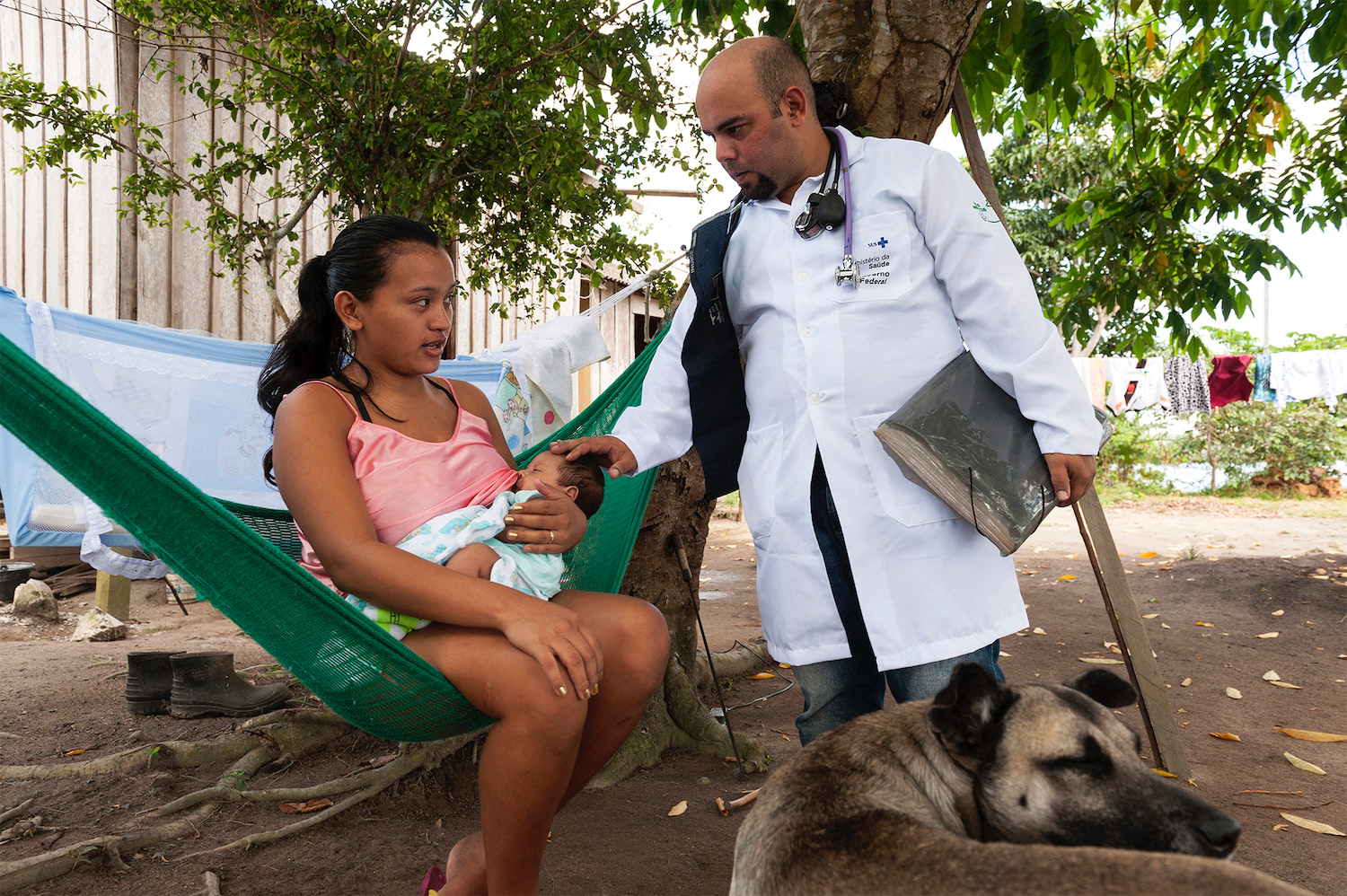
According to the latest report by the United Nations Development Programme (UNDP, 2020/2021), Brazil is the 14th most unequal country in the world in terms of income. While advances have been made in reducing inequalities in access to health services through the Unified Health System (SUS), significant disparities still persist.
Evaluating and monitoring these data is essential, as they support actions and public policies aimed at populations in greater vulnerability. Since 2005, the International Center for Equity in Health at the Federal University of Pelotas (CIES/UFPel) has collaborated with United Nations agencies and universities worldwide to monitor health inequalities, becoming a global leader and reference in the field.
Thus, in 2024 Umane became a partner of CIES to improve the monitoring of health indicators for Brazilian women, children, and adolescents—as well as populations in low- and middle-income countries—with a focus on equity. This work is based on the integrated use of national data within a global database that includes 122 low- and middle-income countries and is continuously updated.
The studies and analyses in the project have four central objectives:
• Analyze Brazilian data from multiple sources (surveys, SINASC, SIM, etc.) to monitor women’s and children’s health indicators, with attention to social, gender, ethnic, and geographic inequalities;
• Identify vulnerable locations and populations, highlighting priority groups for policies and interventions;
• Contribute to the global monitoring of inequalities in the health of women, children, and adolescents as part of the 2030 Agenda, through maintaining a mega database of indicators, producing national equity profiles based on health survey data, and supporting multilateral agencies such as UNICEF and the World Health Organization (WHO);
• Provide training in the analysis of health inequalities.
Development of data analysis for monitoring health indicators for women and children, with emphasis on social, gender, ethnic, and geographic inequalities.
adolescents becomes a mother each year in Brazil.
annual births in Brazil result from pregnancies of girls under 14, according to the Live Birth Information System (SINASC) from 2020 to 2022.
media citations between December 2024 and December 2025 of the studies on adolescent pregnancy and timely prenatal care in victims of sexual violence.
visits to the International Center for Equity page on the Public Health Observatory in 2025.

“Partnering with Umane encourages us to reflect on our role as researchers in society. Looking at data collected and produced in Brazil and transforming it into useful scientific information is deeply rewarding. When presented clearly and effectively, this information is highly relevant to health managers, decision-makers, and the general public. I believe that this partnership can strengthen the connection among these actors with the aim of improving the health of Brazilians.”