
Aliança mais SUS
Lever
Health Culture in Society
Type of grant
Product development

Benefited population
Health teams and public managers

The Aliança Mais SUS (More SUS Alliance) is an initiative carried out by the Institute for Health Policy Studies (IEPS) and fostered by Umane, which joins efforts with public partners to strengthen the Unified Health System (SUS) at the national, state, and municipal levels. The partnership seeks to improve the quality of services offered to the population, focusing on expanding access, improving management, and strengthening Primary Health Care (PHC).
The Alliance operates across five main fronts: Inova Monitora; Redes (Networks), focusing on regionalization, development, and health; Agenda Mais SUS; Health Budget Monitoring; and Health Policy Monitoring. The actions combine support for public management, the development of solutions for health units, knowledge production, political advocacy, and social mobilization.
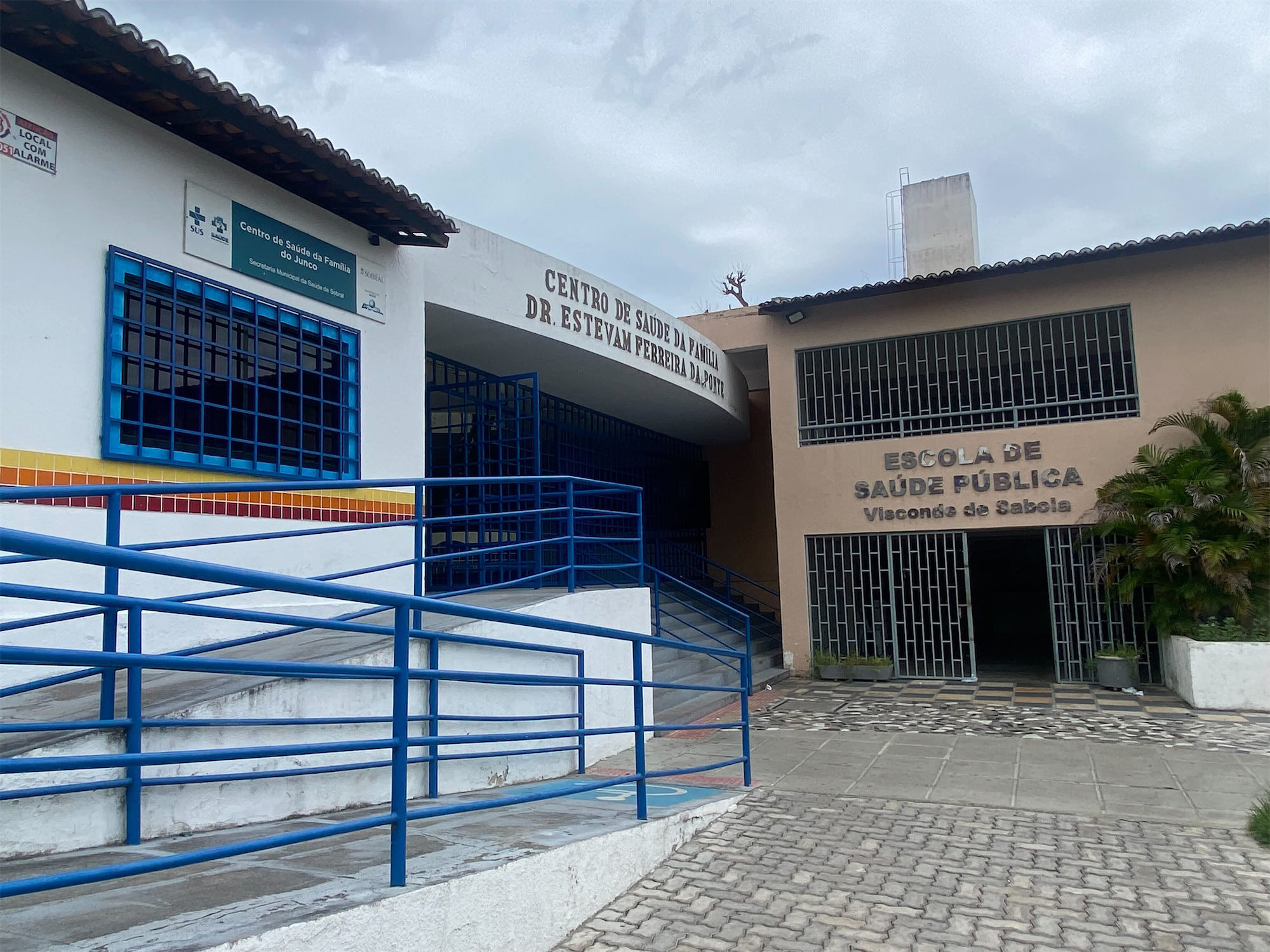
In 2025, one of the milestones was the arrival of Inova Monitora in Salvador (BA), in partnership with the Municipal Government, the Devive Institute, and the Maria Emília Foundation. The initiative integrates lessons learned from InovaAPS, implemented in Sobral (CE), and Monitora, developed in Recife (PE), to strengthen PHC management, support the tracking of indicators, incorporate user satisfaction assessments, and improve workflows in Basic Health Units (UBSs). Implementation begins in 2026, with a pilot in one UBS and a gradual expansion to 114 other units.
On the Redes front, the Alliance supported state governments in integrating health regions and care levels. In São Paulo, IEPS contributed to the drafting of the first State Health Regionalization Policy approved in the country. In Mato Grosso do Sul, the project supported the redesign of health regions and the construction of the Regionalization Master Plan. In Pernambuco, progress was made in drafting macro-regional plans and updating access protocols for highly complex exams. Starting in 2026, this front will also be implemented in Rio Grande do Sul.
Knowledge production also gained momentum. The Radar Político da Saúde (Health Political Radar) analyzed more than 2.5 thousand legislative proposals related to health in the National Congress and pointed out challenges for the formulation of policies based on evidence, equity, and adequate funding. Another highlight was the dossier A saúde dos brasileiros em jogo (The Health of Brazilians at Stake), which analyzed the impacts of online gambling on public health and estimated the social and healthcare costs associated with the issue.
Within the scope of the Agenda Mais SUS, cooperation with the Ministry of Health advanced with IEPS’s support for the Agora Tem Especialistas (Specialists Now Available) program, providing recommendations to strengthen the integration between primary and specialized care and the use of digital tools. The construction of the Agenda Mais SUS 2027-2030 also began, which will gather proposals to improve financing, access, care coordination, and responses to emerging issues such as climate change, food security, and mental health.
Primary Health Care Strengthening through more effective public policies, evidence-based decision-making, and influence over public opinion, electoral agendas and legislative activity.
The São Paulo State Health Regionalization Policy, developed with the support of IEPS, was approved in 2025 and became the first policy of its kind in the country.
IEPS received the “Walter Leser” Medal of Honor and Merit in Public Health Management for its contribution to the São Paulo State Health Regionalization Policy.
Agenda Mais SUS supported the Ministry of Health’s Agora Tem Especialistas program with recommendations to integrate primary care, specialized care, and digital tools.
In Mato Grosso do Sul, Redes supported the redesign of health regions and the construction of the Regionalization Master Plan, approved in 2025.
Municipal Law No. 19,014 of December 16, 2022 institutionalized Recife Monitora as a program that evaluates public health facilities offering essential services through evaluation cycles conducted every 4 months.

“One of the differentiators of working with Umane is the fact that the organization not only supports the project but also drives the development of our institution as a whole. There is highly qualified follow-up by the team, with very fluid exchanges, and Umane also opens other doors for IEPS. Our partnership has been very successful because it considers the long term and a set of interconnected topics — and that is essential for the structural changes in health that we aim for.”