
Evidence Synthesis on Health in the Municipality of São Paulo

in 2024

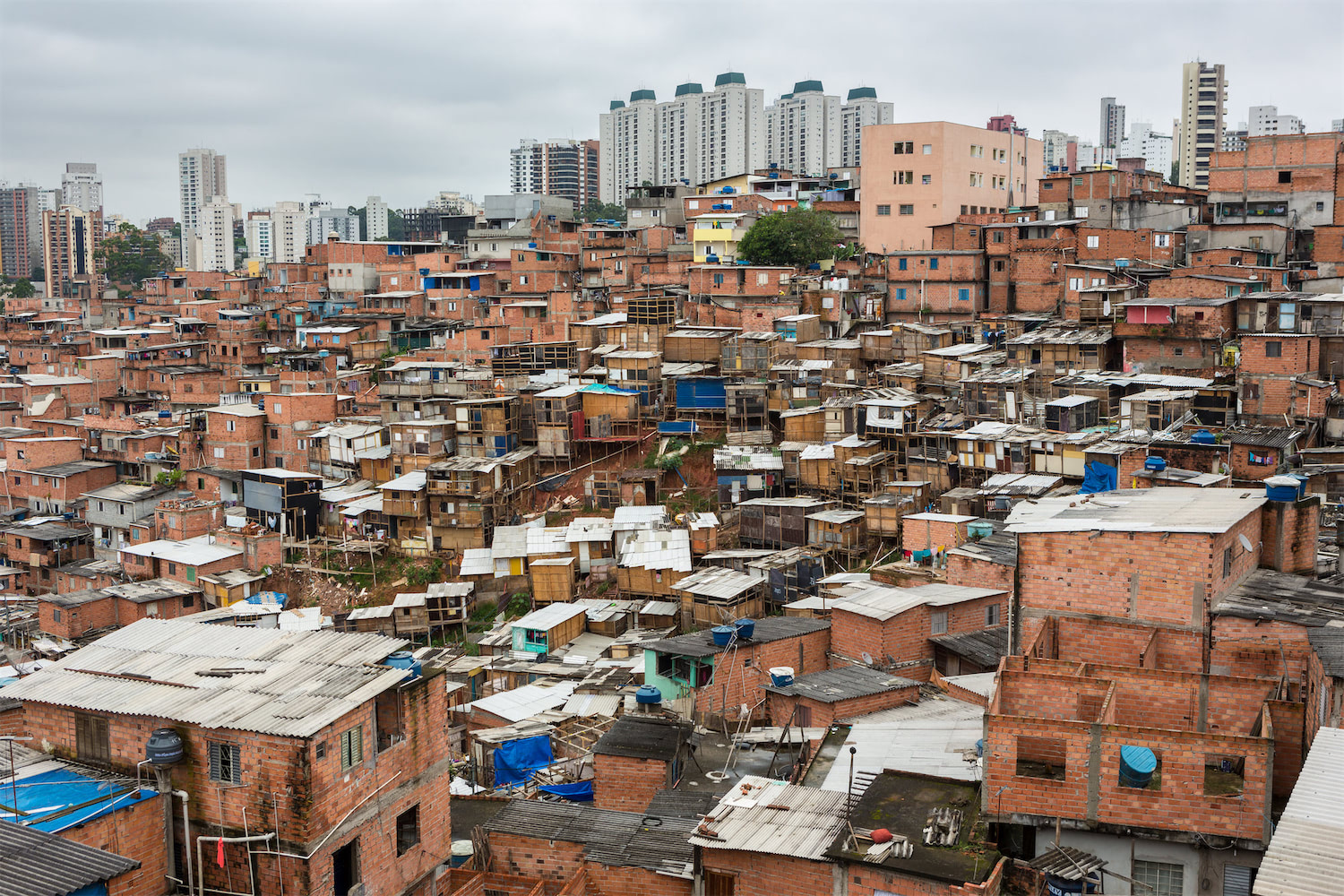
Economic inequality and residential segregation directly affect access to quality health care in Brazilian cities. This reality is detailed in the study “Evidence Synthesis on Health in the Municipality of São Paulo,” produced by the Arq.Futuro Laboratory at Insper in partnership with Umane. Launched in August 2024, the study analyzes data from 2010 to 2019 across the 96 districts of the city of São Paulo, focusing on three conditions preventable by the SUS: maternal mortality (including fetal), premature cardiovascular mortality, and mortality from diabetes.
The findings reveal strong disparities between peripheral regions and higher-income neighborhoods. Women living in Brasilândia, for example, showed a risk of death from ischemic heart disease almost six times higher than women in Moema. The diabetes mortality rate can be up to 21 times higher in more vulnerable districts. These contrasts show how territory directly influences health outcomes and reinforce the need for more equitable public policies.
To address this scenario, the report proposes a set of innovative actions aimed at expanding access, quality, and equity in health services. It recommends the efficient and transparent use of public resources, prioritizing the most vulnerable districts. According to the authors, evidence-based management strengthens public trust in government and increases the positive impact of the SUS in the regions that need it most.
Production of a detailed spatiotemporal analysis of maternal mortality (including fetal), cardiovascular mortality, and diabetes-related mortality in the municipality of São Paulo between 2010 and 2019, identifying territorial inequalities associated with socioeconomic profiles.
For men, socioeconomic conditions explain only

“Umane enabled us to be guided by the concept of implementation science, which is essentially about studying and understanding how to apply findings in practice. It also helped us produce a document in very accessible language, fostering public debate close to the elections and enabling public officials to take ownership of the data to plan health policy in a city whose population is larger than that of many countries.”