Pelotas Cohorts – Health Across the Life Cycle


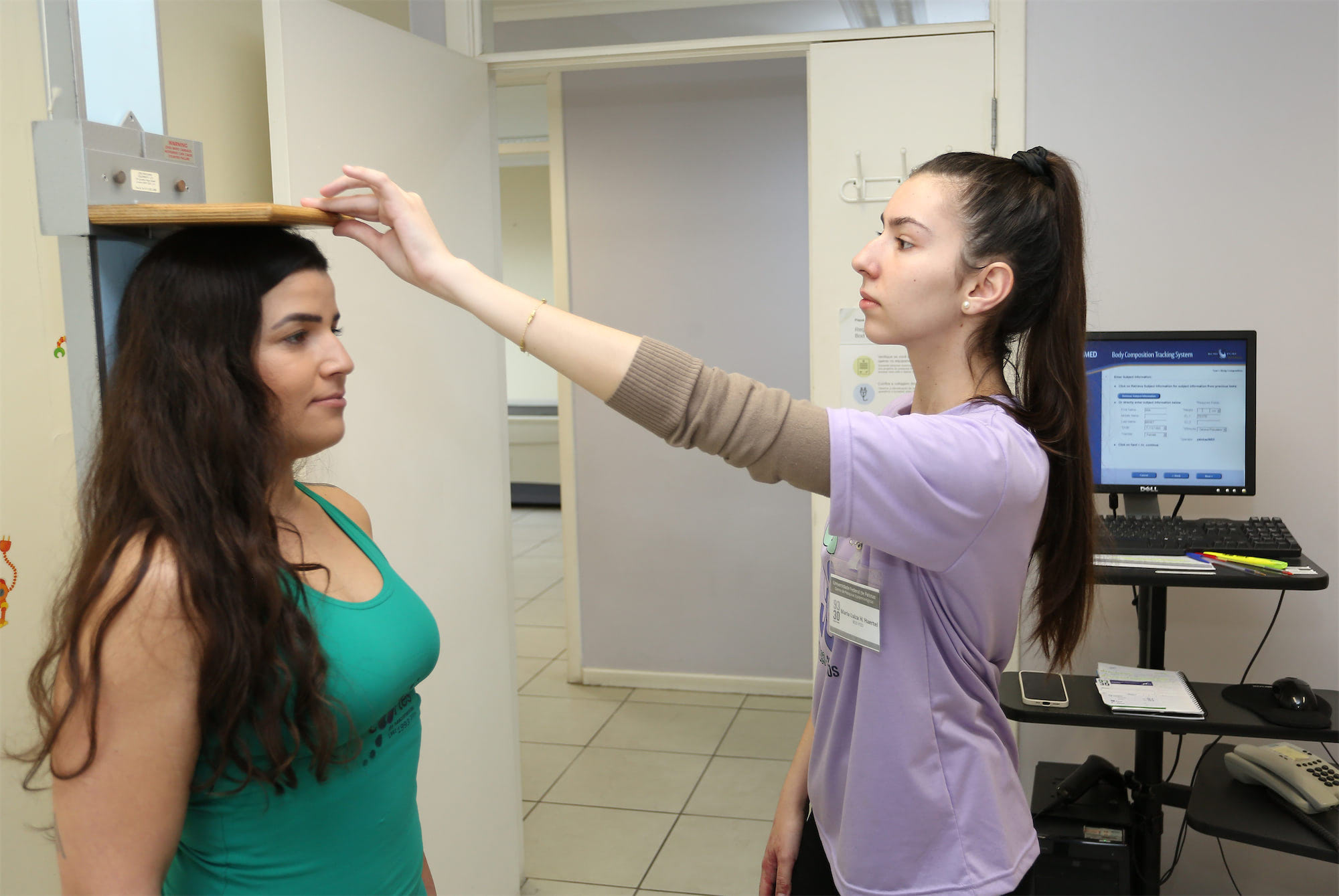
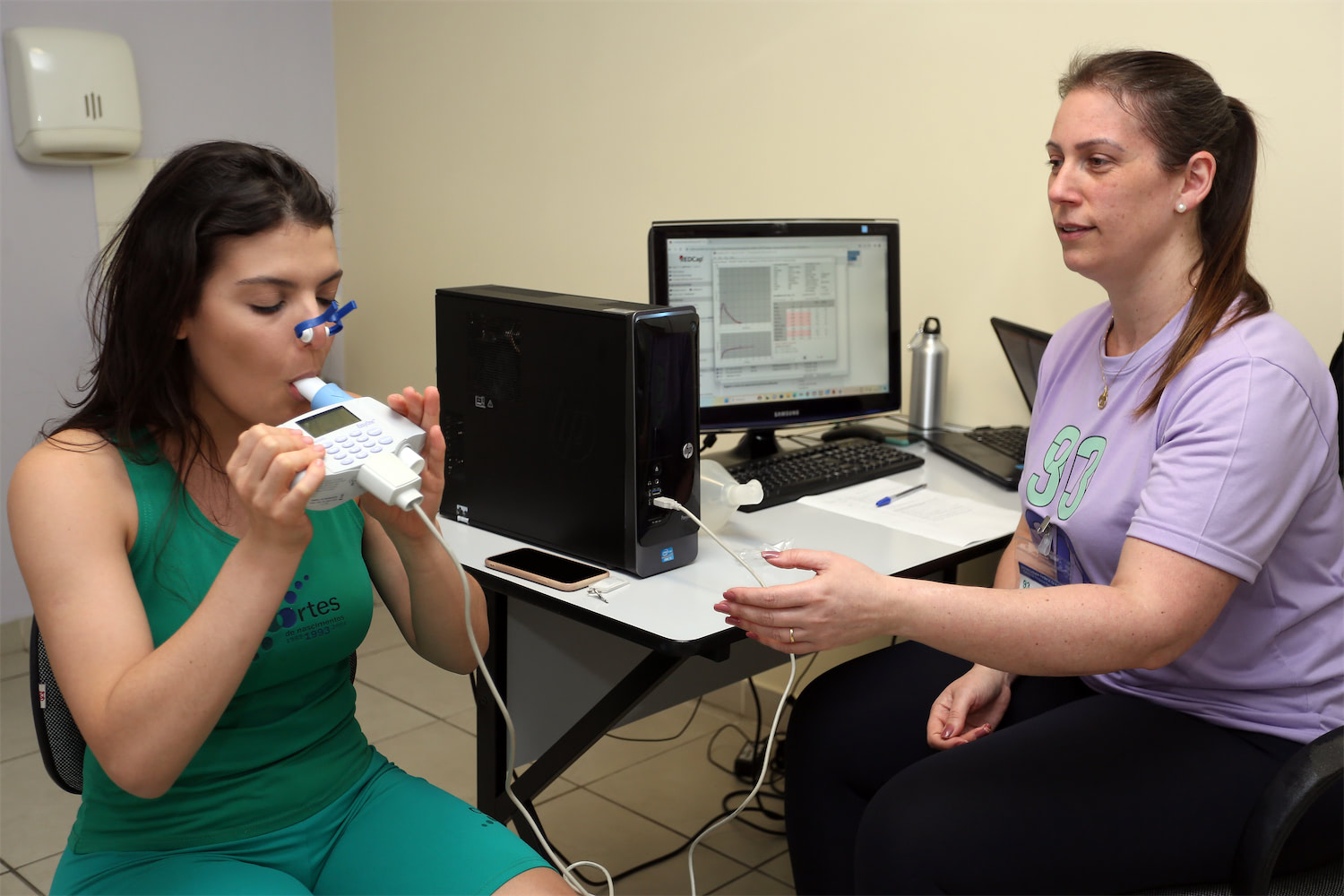
Launched in 1982, the Pelotas Birth Cohorts (RS) study the development of diseases and health conditions throughout life. Every 11 years, a new cohort begins, and there are currently four active cohorts (1982, 1993, 2004 and 2015). One year after the call for participation, the Epidemiological Research Center at the Federal University of Pelotas (UFPel) successfully concluded the data collection and clinical examination cycle for the 1993 Pelotas Birth Cohort. Approximately five thousand people born in the municipality that year are part of one of the largest population follow-up programs in Brazil, a global reference in the investigation of health–disease relationships, whose findings have informed public policies and clinical practices internationally — such as the WHO recommendation for exclusive breastfeeding up to six months of age.
Implemented by the Federal University of Pelotas (UFPel) and co-funded and supported by the National Council for Scientific and Technological Development (CNPq), Research Support Foundation of the State of Rio Grande do Sul (FAPERGS), National Institutes of Health (NIH/USA), the Department of Science and Technology (DECIT/Ministry of Health), the Brazilian Association of Collective Health (ABRASCO), and the Graduate Program in Epidemiology at UFPel, the cohort monitors the health conditions of individuals, risk factors — such as obesity, physical inactivity, smoking, alcohol consumption — and Noncommunicable Diseases (NCDs). The study aims to monitor and describe the behavior of risk and protective factors for NCDs over four decades of follow-up, in addition to conducting a field study at a key age (30 years) to evaluate the early onset of Noncommunicable Diseases.
A study using data from the Pelotas Cohorts showed that exclusive breastfeeding as the only source of nutrition up to six months of age reduces the risk of infant mortality, leading the World Health Organization (WHO) to recommend exclusive breastfeeding — a guideline adopted in more than 140 countries.
Production of scientific articles on the highest levels of evidence for Noncommunicable Diseases and their risk factors. Based on the results and analyses, the study supports public policy direction, innovation and health data use.
people had undergone physical and body composition examinations by 2025
people had been evaluated by questionnaire by 2025
children of the 1993 cohort members had already participated in the study by 2024
master’s and doctoral theses and 2 post-doctoral projects linked to the 1993 Cohort being developed during 2025
articles with the results of the 30-year cycle of the 1993 Cohort accepted for publication in 2025, one of which was already published in 2025.

“Beyond supporting fieldwork, data analysis, and scientific production that follow, Umane helps us go beyond the walls of academia, disseminating the impact of the cohorts to society and promoting the use of their data for the development of public policies.”